Pruning · 2 May 2026 · 12 min read
Pruning Basics Explained: When to Cut, Where to Cut and Why
The fear of pruning stops more gardens improving than any pest. Here are the principles behind every cut, in plain language.
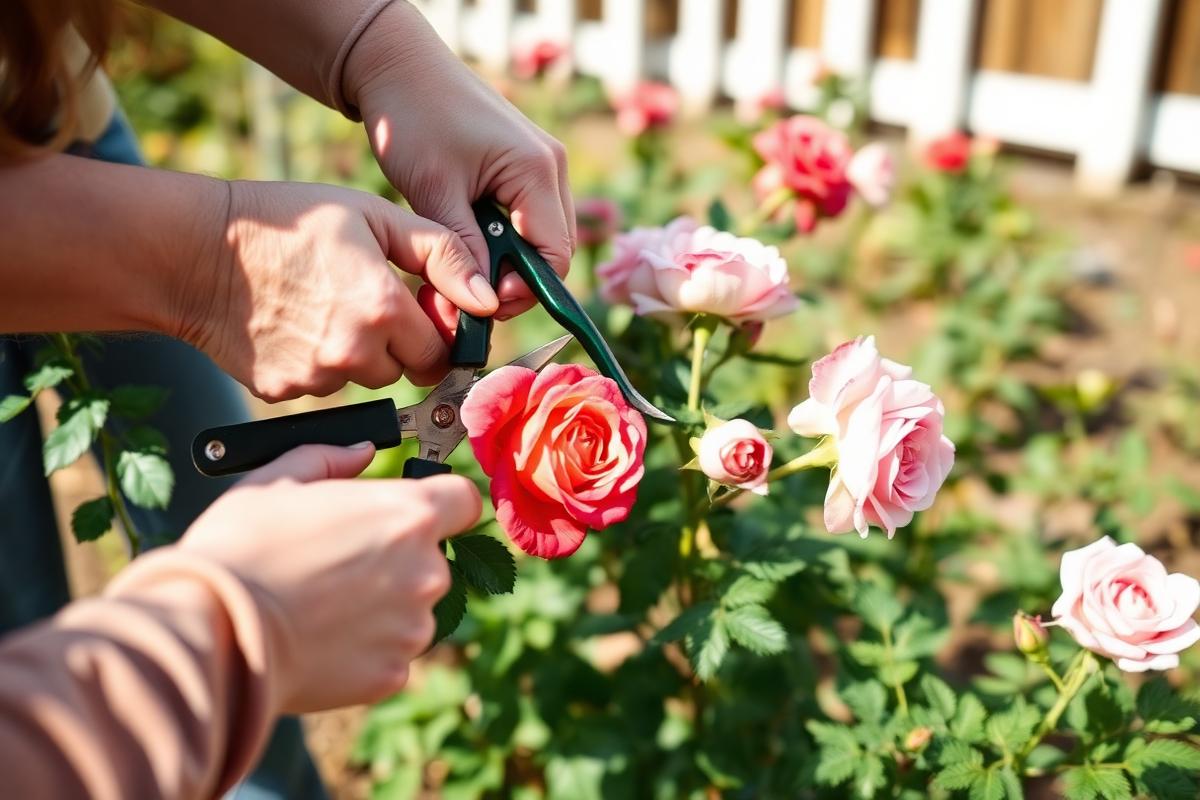
Pruning intimidates people because it feels irreversible. In practice, most woody plants are extraordinarily forgiving, and the majority of shrubs in the average garden suffer from too little pruning rather than too much. Understanding four principles will cover nearly every situation you meet.
Principle one: remove the three D's first
Dead, damaged and diseased wood comes out at any time of year, no debate required. Then look for crossing branches that rub, and for stems growing back into the centre of the plant. Removing those alone improves airflow, reduces disease and often makes a neglected shrub look deliberate again without any further work.
Principle two: cut to a bud facing where you want growth
A plant responds to a cut by pushing growth from the bud just below it. Cut about five millimetres above an outward-facing bud, on a slight slope away from it so water runs off. Cut too close and the bud dries; leave too long a stub and it dies back and invites rot. This one habit is the difference between a shrub that opens outward and one that thickens into a congested tangle.
Principle three: timing depends on when the plant flowers
Shrubs that flower in spring — forsythia, philadelphus, weigela, spring-flowering clematis — bloom on wood made the previous year, so prune them straight after flowering. Shrubs that flower from midsummer onwards — buddleia, late clematis, hardy fuchsia, most roses — bloom on new wood, so prune them in late winter or early spring. Prune a spring-flowerer in February and you will cut off all the flowers; it will survive, but the season is lost.
- Clean, sharp tools — crushed wood heals slowly and invites infection.
- Secateurs for stems under 2 cm, loppers to 4 cm, a pruning saw beyond that.
- Never remove more than about a third of a plant in one season unless renovating deliberately.
- Step back every few cuts and look at the whole shape.
Principle four: hard pruning stimulates, light pruning restrains
This is counterintuitive but reliable. Cut a stem back hard and the plant responds with vigorous new shoots. Trim lightly and it stays compact. So an overgrown shrub that you want to reduce permanently is best renovated over three years, removing a third of the oldest stems to the base each winter, rather than shearing the whole thing into a ball and provoking a mass of soft regrowth.
Pick one neglected shrub this season and work on it slowly. Watch how it responds over the following year. That single experiment teaches more about pruning than a shelf of books, and it removes the fear permanently.